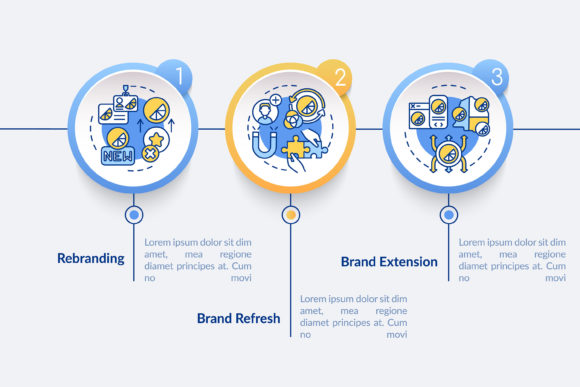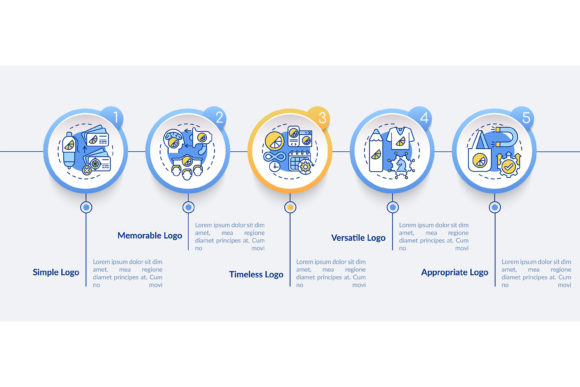
Mastering Brand Presentation with an Effective Logo Design Vector Infographic
Presenting a new brand identity is often more challenging than creating the logo itself. Clients and stakeholders rarely see the strategic depth behind a simple mark; they see a graphic. To bridge this gap, designers increasingly rely on an Effective Logo Design Vector Infographic to communicate value, process, and versatility. This visual tool transforms abstract branding concepts into tangible, digestible data points that justify design decisions and showcase professional thoroughness.
A well-constructed infographic template does more than display a logo; it contextualizes it. By utilizing scalable vector graphics, designers ensure that every element, from tiny line icons to large-scale process timelines, remains crisp across all presentation mediums. Whether you are pitching to a corporate board or updating a portfolio, understanding the anatomy of these presentation assets is crucial for modern branding workflows.
The Strategic Value of Vector-Based Presentation Templates
The choice of file format dictates the longevity and utility of your presentation materials. When working with an Effective logo design vector infographic template, the primary advantage is infinite scalability without quality loss. Unlike raster images that pixelate when resized, vector formats maintain mathematical precision. This is non-negotiable for professional deliverables.
Modern design ecosystems require flexibility. A robust template package typically includes multiple source files to accommodate different stages of the project:
- AI (Adobe Illustrator): The industry standard for editing. This allows you to modify colors, adjust anchor points, and customize the timeline structure to fit specific client narratives.
- EPS (Encapsulated PostScript): Essential for cross-platform compatibility and print production. It ensures that your process charts look identical whether opened in CorelDRAW, Affinity Designer, or legacy systems.
- SVG (Scalable Vector Graphics): Critical for web-based presentations and interactive portfolios. SVGs keep file sizes low while retaining sharpness on high-DPI retina displays.
- PNG: Useful for quick mockups, email previews, and transparent overlays where editing is not required.
- JPG: Best reserved for final archival or social media sharing where universal compatibility outweighs the need for transparency or scalability.
Having access to this full spectrum of file types ensures that the Effective Logo Design Vector Infographic serves as a living document rather than a static image. You can adapt the same core asset for a printed proposal, a digital slide deck, and a case study website without recreating the layout from scratch.
Visualizing the Creative Journey: The 5-Step Data Model
Clients often misunderstand the time and effort involved in logo creation. They see the result but miss the rigor. Integrating a data visualization component with five distinct steps helps demystify the creative process. This section of the infographic acts as an educational tool, setting expectations and demonstrating expertise.
An effective five-step workflow usually follows a logical progression that mirrors professional design thinking:
- Discovery and Research: Visualized with icons representing magnifying glasses, charts, or user personas. This step validates that the design is rooted in market analysis, not just aesthetic preference.
- Conceptualization and Sketching: Represented by pencils, lightbulbs, or rough geometric shapes. It highlights the ideation phase where quantity leads to quality.
- Digital Refinement: Shown through grid overlays, bezier curves, or software interfaces. This demonstrates technical proficiency and adherence to geometric balance.
- Testing and Application: Depicted via mockups on business cards, screens, or merchandise. It proves the logo’s versatility and legibility across touchpoints.
- Final Delivery and Guidelines: Symbolized by checkmarks, folders, or documentation icons. This reassures the client of a structured handover and long-term brand consistency.
When these steps are laid out horizontally or vertically within the Effective logo design vector infographic template, they create a narrative arc. The viewer’s eye travels through the journey, subconsciously accepting the final logo as the inevitable conclusion of a systematic process.
Timeline Info Charts and Project Management
Beyond the creative steps, many templates incorporate a process timeline info chart. This is particularly valuable for agencies managing complex rebranding projects. A Gantt-style or milestone-based visualization embedded within the infographic aligns design phases with business objectives.
For example, linking the "Digital Refinement" phase to a specific week in the project timeline helps manage client feedback loops. It transforms the Effective Logo Design Vector Infographic from a purely aesthetic showcase into a project management artifact. When clients understand when things happen alongside how they happen, friction decreases significantly.
Timeless Logotype Presentation Outline Design Elements
Trends fade, but structural clarity endures. When selecting or customizing a template, prioritize timeless logotype presentation outline design elements over flashy effects. The goal is to make the logo the hero, not the infographic itself.
Grid Systems and Alignment: A subtle background grid suggests precision and engineering. It implies that the logo was constructed with intention. However, this grid should be low-opacity and unobtrusive. It provides structure without competing for attention.
Negative Space Utilization: Effective layouts breathe. Ample whitespace around the logo and the accompanying data visualizations prevents cognitive overload. In vector templates, negative space is easily adjustable, allowing you to expand or contract sections based on the density of your content.
Typography Hierarchy: The fonts used in the infographic should complement, not clash with, the logotype being presented. Sans-serif typefaces generally work best for data labels and process descriptions due to their readability at small sizes. Ensure the template uses text as editable vector objects rather than outlined shapes, preserving your ability to update copy efficiently.
Workflow Layouts with Line Icons
The visual language of the infographic must match the tone of the brand. Workflow layouts with line icons have become the industry standard because they offer neutrality and elegance. Filled or heavy icons can sometimes feel too dominant or stylistically specific, whereas line art recedes visually, supporting the content without overpowering it.
Line icons also scale exceptionally well in vector formats. At 24px or 200px, a well-drawn stroke maintains its integrity. When using an Effective logo design vector infographic template, verify that the icon set is consistent in stroke weight and corner radius. Inconsistencies here signal a lack of attention to detail, which undermines the perceived quality of the logo design itself.
Furthermore, line icons are easily customizable. Changing the stroke color to match the brand’s primary palette creates cohesion instantly. This subtle integration ties the explanatory graphics to the subject matter, reinforcing brand identity throughout the presentation document.
Practical Considerations for Implementation
Adopting these templates requires more than just downloading a file. Successful implementation depends on understanding the context of use. Consider the following factors before integrating an Effective Logo Design Vector Infographic into your workflow:
Audience Technical Literacy: If presenting to non-designers, simplify the data visualization. Avoid jargon in the five-step breakdown. Use plain language like "Idea Generation" instead of "Ideation Matrix." The template should be edited to speak the client's language.
Aspect Ratio Adaptability: A landscape infographic works for slide decks, while a vertical layout suits mobile viewing or printed posters. Choose a template that offers artboard variations or is structured in modular blocks that can be rearranged without breaking the visual flow.
Color Mode Management: Vectors allow easy switching between RGB and CMYK. Always verify your color mode before export. An infographic designed for screen (RGB) may look muddy when printed (CMYK) if not converted properly. The best templates include pre-set color swatches for both environments.
Customizability vs. Rigidity: Test the template’s layer structure before committing. Are elements grouped logically? Can you isolate the timeline without affecting the logo placement? A poorly organized vector file can take longer to edit than building from scratch. Look for templates with named layers and global color swatches to streamline customization.
Enhancing Portfolio Case Studies
For independent designers and studios, these infographics serve a dual purpose. Internally, they facilitate client approval. Externally, they elevate portfolio case studies. When potential clients browse your work, seeing a structured Effective logo design vector infographic template demonstrates that you offer a comprehensive service, not just graphic decoration.
In case studies, use the SVG or high-resolution PNG exports to illustrate your methodology. Caption each step of the five-stage process with specific insights from that project. Did the research phase reveal a surprising competitor gap? Did the testing phase lead to a significant pivot? Adding this narrative layer to the visual framework turns a generic template into a compelling story of problem-solving.
Ultimately, the power of these design assets lies in their ability to organize chaos. Branding is messy, subjective, and complex. An Effective Logo Design Vector Infographic imposes order on that complexity, providing a clear, professional vessel for your creative vision. By leveraging the right file types, adhering to timeless design principles, and focusing on clear communication, you transform a simple presentation tool into a cornerstone of your design practice.